
-
Private Car, Domestic Flight
-
Hotel / Teahouse
-
6,189 meters
-
Spring (Mar-May) & Autumn (Sep-Nov)
Overview
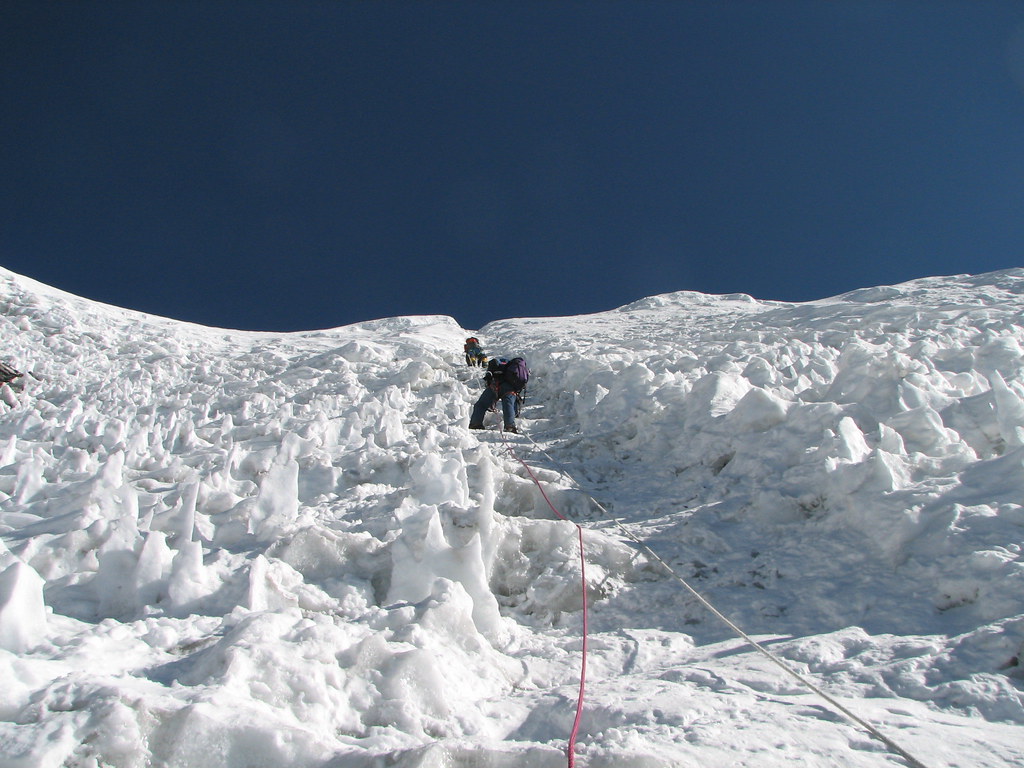
Climbing Island Peak is among the most well-liked and crowded mountain climbing adventures in the Everest Region. The location of Island Peak is south of Everest. Island Peak’s elevation is 6,189 meters/20,305 feet. For first-time climbers, Island Peak Climbing is an excellent summit expedition.
Within the Everest region, Island Peak is a popular and important climbing peak. This 6,000-meter summit served as a training ground for Tenzing Norgay Sherpa and Edmund Hillary in 1953.
Between Amadablam and Kang Leyamu, there’s a landscape of stunning, sparkling ice flutings. You also get to witness Makalu and Ama Dablam. Additionally, this trip brings you to some of Nepal’s most well-liked trekking locations.
Although physically demanding, reaching the summit is not difficult. Island Peak is thought to be a comparatively simpler climb when compared to the other summits in the Everest Region. Both a high degree of physical fitness and a reasonable level of technical climbing knowledge are required.
You will see the variety of the Everest region’s flora and animals. The majority of the route is through a forest of juniper, pine, fir, and rhododendron, which adds to the beauty of the trip. It is acceptable to climb Island Peaks throughout the year although weather is a major consideration.
Autumn and spring are the finest seasons to climb island peaks due to the brighter skies and more stable weather. The area’s temperature is ideal for trekking and mountain climbing during this time of year.
Highlights
- The 6189-meter-high Island Peak Summit with its vistas.
- Exciting and picturesque flight to and from Lukla.
- Tengboche Monastery, The largest monastery in the Everest region.
- 360-degree panoramic vista from Island Peak's summit.
- Discover the Sherpa civilisation's rituals and way of life.
- Discover the distinct plants and animals of the Sagarmatha National Park.
- Entering the towering rhododendron, pine, fir, and juniper woodland.
Itinerary
Cost
The Cost Includes
- Airport pick-up and drop-off services
- Domestic flights between Kathmandu and Lukla
- Ground Transportation if necessary (Drive between Kathmandu and Ramechhap)
- Breakfast, Lunch, and Dinner during the trekking days
- 3 nights accommodation in Kathmandu (BB plan)
- Professional and government-licensed trekking guide
- Experienced porter (1 porter for every 2 trekkers)
- Salary, insurance, lodging, transportation, flight, etc. for Climbing Guide, Trekking Guide and Porters.
- Island Peak Climbing Permit Fees
- Sagarmatha National Park entry fee
- Khumbu Pasang Lhamu Rural Municipality permit fees
- Seasonal Fruits, Chocolates, and Snacks during the trek
- Toilet paper, Duffle Bag provision
- Warm Down Jacket, Sleeping Bag, Trekking Poles (If needed)
- All administrative costs and government taxes
The Cost Excludes
- International airfare and visa fees
- Travel insurance (highly recommended)
- Meals in Kathmandu (except for breakfast during hotel stay)
- Alcoholic and bottled beverages
- Personal expenses (phone calls, internet, laundry, etc.)
- Tips and gratuities for guides and porters
- Costs arising from unforeseen events (landslides, weather conditions, etc.)
- Emergency evacuation and medical treatment costs
- Personal trekking gear (except provided items)
- Charges for additional services or activities not included in the package
- Costs arising from changes in itinerary or extension of stay
- Any other expenses not explicitly mentioned in the inclusions
FAQs
Island Peak is situated to the south of Mount Everest. It is situated in northeastern Nepal, in the Khumbu region, directly across the ridge from Lhotse and Mount Everest. Additionally, Sagarmatha National Park is where it is located.
After completing the form and presenting the required paperwork, you can obtain your Nepal tourist visa at the airport. Depending on how long you plan to stay in the nation, the cost of your visa will vary.
Entry permissions and climbing permits are required. The Sagarmatha National Park Permit and the Khumbu Pasang Lhamu Entry Permit are the necessary permits.
Climbing Island Peak is thought to be challenging, needing more mental toughness than technical skills. Although it’s not required, it’s best to be in good health before climbing.
It is more eco-friendly to use refillable water bottles using purifying techniques. To refill your water bottle, you can also purchase boiled water from tea houses or lodges. It is not recommended that you drink water straight from nearby water sources, such as wells, rivers, or taps.
It is feasible to climb Island Peak with EBC. Given that the paths for both treks are identical, you can enjoy Everest Base Camp first, then summit Island Peak on the way back to complete your journey.